A Pakistani wedding is not one event. It is a series of celebrations that can run over several days, each with its own mood, its own guests and its own moments that will never be repeated. A family may hold a Dholki night, a Mehndi, a Baraat, a Nikah, a Rukhsati and a Walima, or only some of them. Every family adds its own traditions, and the order and names can differ from one family and region to another.
This guide is for couples and families planning a Pakistani wedding in Houston. It explains what happens at each event, what a photographer should capture, and how to decide where your photography budget matters most. We are ZF Media Production, a Pakistani-owned photo and video studio in West Houston. Our owner, Imran Islam, has photographed weddings for more than 17 years in Pakistan, Dubai and Houston.
Dholki and pre-wedding gatherings
What it is: A Dholki is an informal evening of singing, dancing and family time before the wedding, usually at home. Relatives and friends gather around a dholak (a hand drum), sing traditional wedding songs and tease the couple. Many families also hold a Mayun or Ubtan, where the bride is applied with a turmeric paste, and family members help her prepare.
What to photograph: Natural moments rather than posed ones: cousins singing, an aunt on the dholak, laughter, the bride with her friends and the small details of the room. These events are loose and unscripted, so the best photos are candid.
Planning tip: If you have a limited budget, many families skip professional coverage for Dholki and ask a relative to take phone photos. If you want it covered, a short shoot of one to two hours is usually enough.
Mehndi night
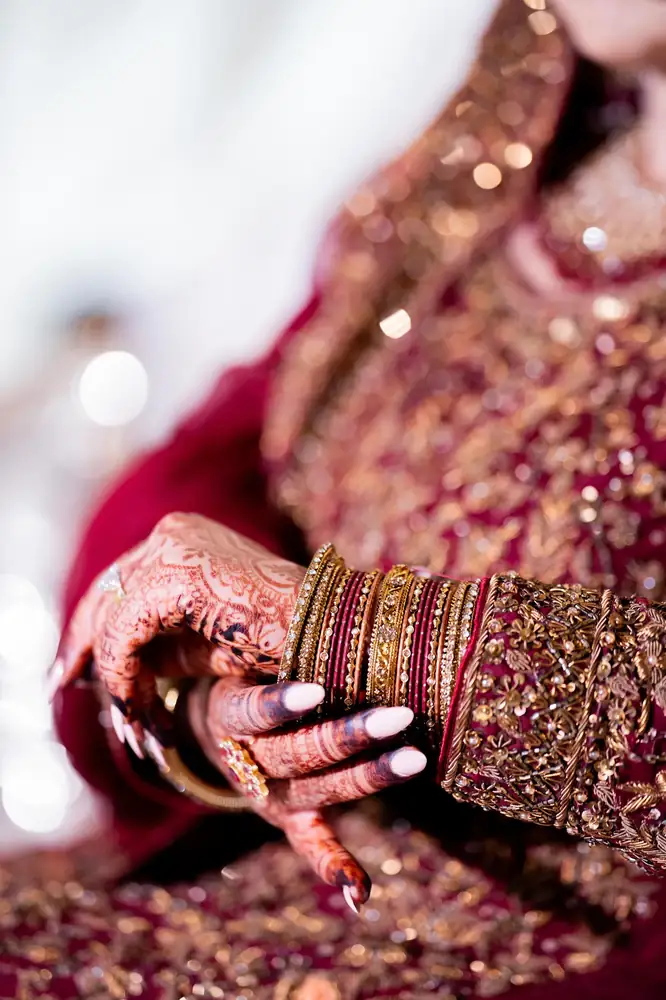
What it is: The Mehndi is the colorful, musical celebration before the wedding day. The bride's hands and feet are decorated with henna, the families dance, there are performances, and the couple is often brought in with music. Outfits are bright and the stage is usually decorated in color.
What to photograph: The henna design in close-up, the bride's entrance, the couple on stage, family dances and performances, group photos with each side of the family, and the decor and flowers before guests arrive.
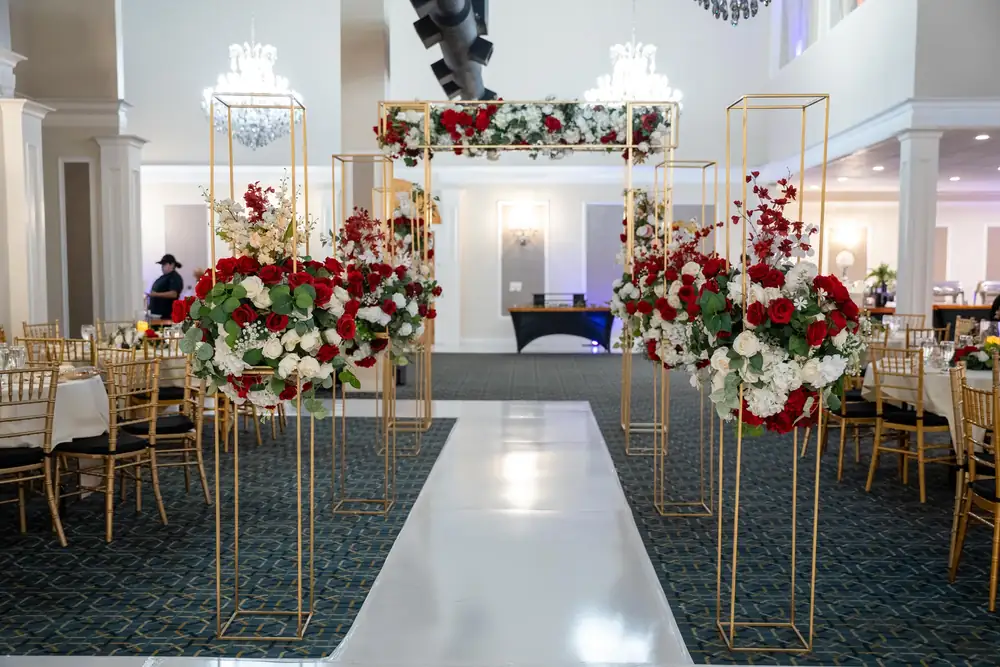
Planning tip: Mehndi lighting is often dim and colorful, with moving stage lights. Tell your photographer if you plan a choreographed performance, so they can position themselves for it. Ask the decorator to finish the stage early so the photographer can photograph the decor before the guests arrive.
Baraat
What it is: The Baraat is the groom's wedding procession. The groom arrives with his family and friends, often with dhol players, dancing and music, and is welcomed by the bride's family. In many families, this is followed by the Milni, when the elders from each side greet each other.
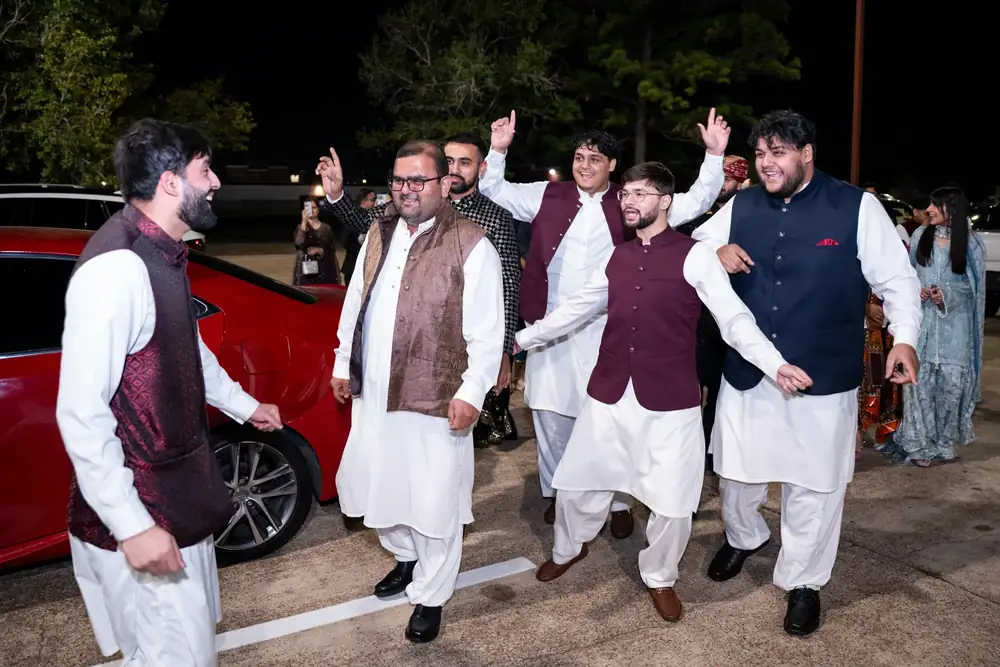
What to photograph: The arrival of the groom, the dhol and the dancing, the groom's family walking in, the welcome by the bride's family, the Milni, and the groom's entrance to the hall.
Planning tip: A Baraat moves fast and happens once. Share the timing with your photographer, and tell them who the key people are, such as parents, grandparents and siblings. If the Baraat is outdoors in the evening, plan for light, because a parking lot at night is dark.
Nikah
What it is: The Nikah is the Islamic marriage ceremony, and for many couples it is the most important moment of the entire wedding. The families and witnesses gather, the groom and bride give their consent (Ijab-o-Qubool), the Nikah Nama is signed, and the Imam recites the khutbah and leads the dua. The Nikah can take place at a mosque, a banquet hall, a hotel or at home.
What to photograph: The families arriving, the Imam, the signing of the Nikah Nama and the witnesses, the moment the couple becomes husband and wife, the duas, congratulations from family and the first quiet moments afterward.
Planning tip: Respect matters most here. A good photographer works quietly, follows the Imam's guidance and stays out of the way. If the Nikah is at a mosque, confirm the rules for photography and for clothing in advance. If men and women are in separate areas, tell the photographer, so that coverage is planned respectfully for both sides. Our Nikah and Walima photography page explains how we plan this.
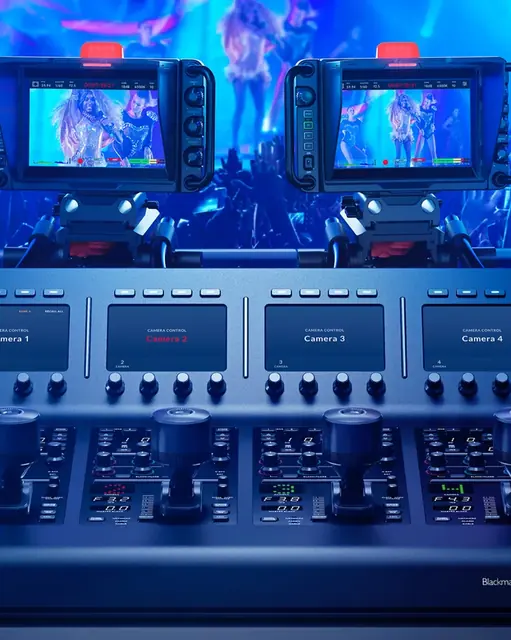
Relatives overseas often cannot travel to the Nikah. A Nikah live stream, with a private link that you share by WhatsApp, lets them watch the ceremony as it happens.
Rukhsati
What it is: The Rukhsati is the bride's farewell from her parents' home, and for many families it is the most emotional part of the wedding. The bride says goodbye to her family, often with tears, and leaves with her husband. In many families there is also a short, quiet moment called Arsi Mushaf, when the couple sit together under a dupatta, look at each other in a mirror and recite a few verses.
What to photograph: The bride's embrace with her parents and siblings, the walk to the car, the final blessings and the quiet expressions. These are emotional, real moments that cannot be recreated.
Planning tip: Rukhsati is short and unscripted. The photographer must be close and ready, but never in the way. Plan the time with your family so the photographer is not packing up when it happens.
Walima
What it is: The Walima is the reception hosted by the groom's family after the wedding, and it is often the largest event of the weekend, with hundreds of guests. The couple makes a grand entrance, sits on the stage, receives guests and family, and there are speeches, dinner and photos with every family group.
What to photograph: The decor before guests arrive, the couple's entrance, stage photos with each family group, speeches, dinner, candid moments around the hall, and the send-off.
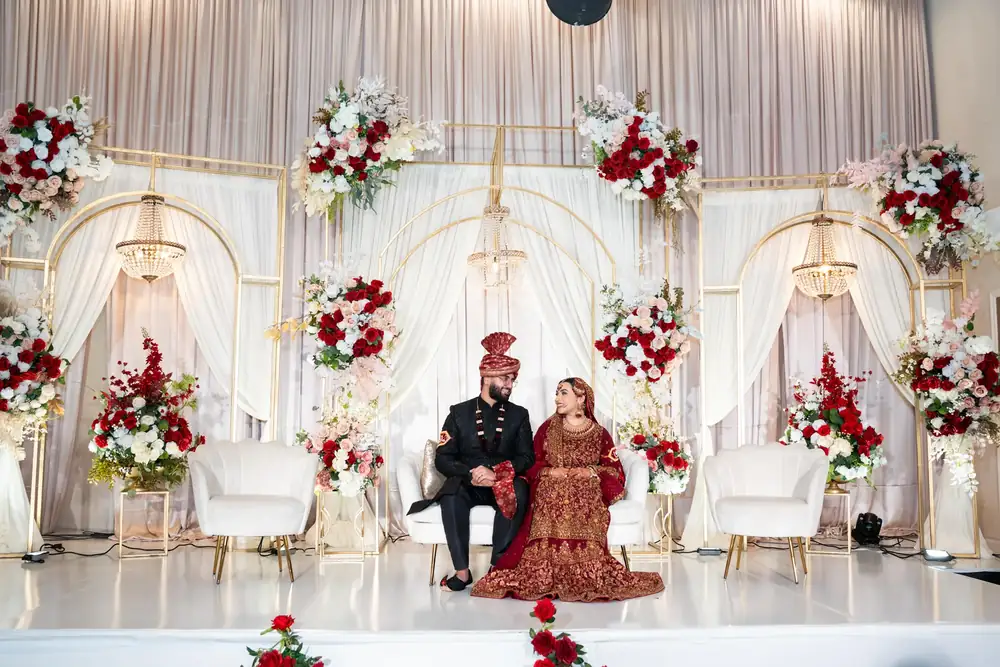
Planning tip: Stage photos with each family group take time. Prepare a list of the groups you want, for example bride's parents, groom's parents, siblings, cousins and close friends, and ask a family member to bring each group forward. It saves time, and nobody is missed.
Which events should you cover professionally?
Not every family covers every event with a professional team, and that is fine. Use this simple guide:
- Always cover: the Nikah and the Walima. They are the moments you will most want to keep.
- Cover if possible: the Mehndi and the Baraat. They hold the color, music and energy of the celebration.
- Cover if you have a larger budget: Dholki and other pre-wedding events, and a couple portrait session.
Our pricing is simple: a single event starts at $599, and our complete Pakistani wedding package, covering Mehndi, Nikah, Baraat and Walima, starts at $2,500. See the full details on our Pakistani wedding photographer page. Live streaming starts at $499, and wedding films are available as well. Everything is quoted for your dates and events.
How to plan the schedule with your photographer
- Send the event list and timings as soon as they are fixed, even if some are approximate.
- Share the venue details, and confirm the rules for photography with mosques and halls.
- Prepare a family group list and name one relative on each side who can identify people.
- Tell us about gender-separated areas, so we plan coverage for both sides respectfully.
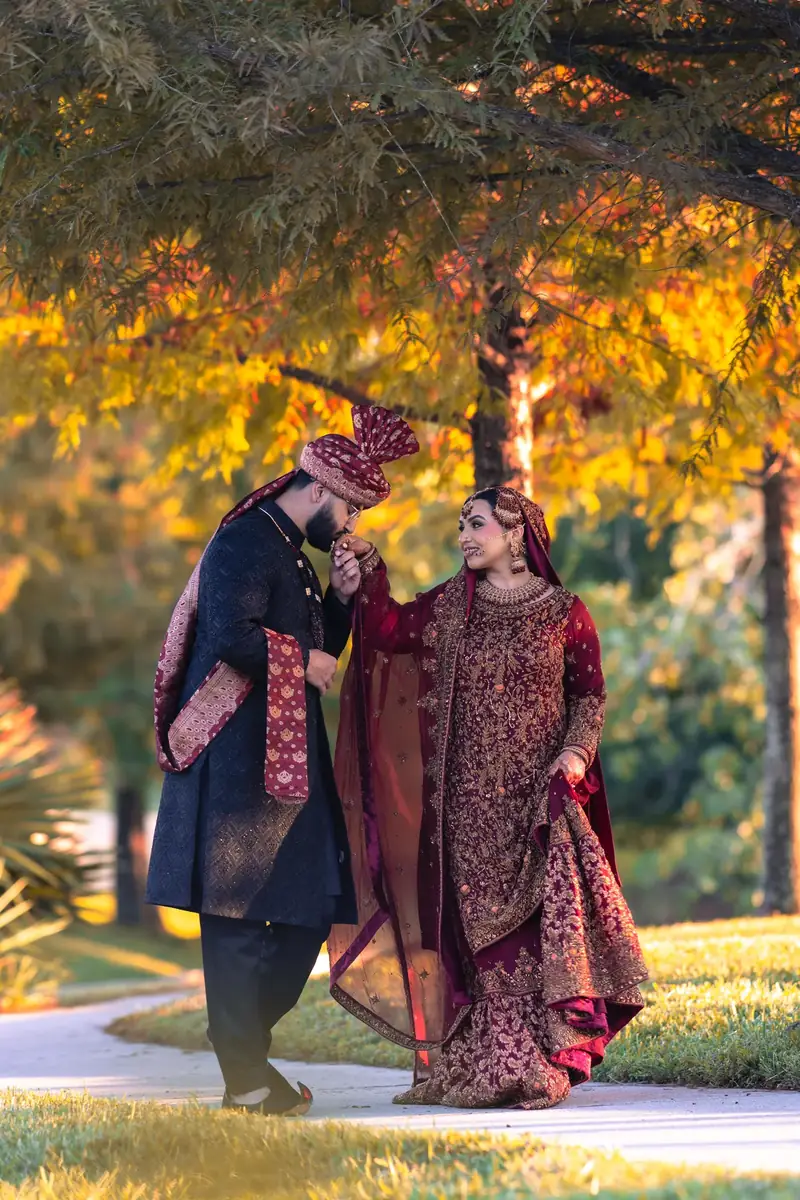
- Plan couple portraits. Many couples take a short portrait session outdoors before the Walima, at golden hour, for warm photos away from the crowd.
- Agree on delivery. For our Nikah and Walima coverage, the online gallery arrives in 2 to 4 weeks, and the highlight film in 1 to 2 weeks.
Houston details that help
- Indoor halls in Houston often have mixed lighting, from warm chandeliers to colored stage lights. Visit the hall with your photographer or share photos of it in advance.
- Summer heat affects outdoor portraits. Plan portraits for early evening and allow time for touch-ups.
- Traffic in Houston can delay a Baraat or a bridal party. Add buffer time to the schedule.
- Language: We plan and work with your family in English, Urdu, Hindi and Punjabi, which makes it easier to coordinate with parents and elders.
Frequently asked questions
Do I need a photographer for every Pakistani wedding event?
No. Most families cover the Nikah and the Walima, and add the Mehndi and the Baraat if the budget allows. Smaller events such as Dholki are often covered by relatives, unless you want professional photos.
Can you photograph a Nikah at a mosque?
Yes. We agree positions in advance, dress modestly, follow the rules of the prayer hall and work quietly during the ceremony. Confirm the mosque's photography rules with the administration before the day.
What if men and women are in separate halls?
We plan this in advance. We discuss the arrangement with you and organize the coverage so that both areas are photographed respectfully.
Can family overseas watch the wedding?
Yes. We stream the Nikah and other events in HD to a private link that you can share on WhatsApp. Live streaming starts at $499.
How soon will we get our photos?
For Nikah and Walima coverage, the online gallery is typically ready in 2 to 4 weeks and the highlight film in 1 to 2 weeks.
Planning a wedding? Tell us your dates or call or WhatsApp 832-400-4333. Our studio is at 3505 S Dairy Ashford Rd, Suite 120, Houston, open Monday to Saturday, 9 AM to 6:30 PM.
Related reading: Our guide to the best wedding photoshoot locations in Houston.
More guides: South Asian wedding photography shot list (40 moments); Pakistani bridal getting-ready photography in Houston; Pakistani wedding family photos and stage photography; Sangeet and Haldi photography and videography in Houston.